Latest Research: The Psychology of Sport Officiating
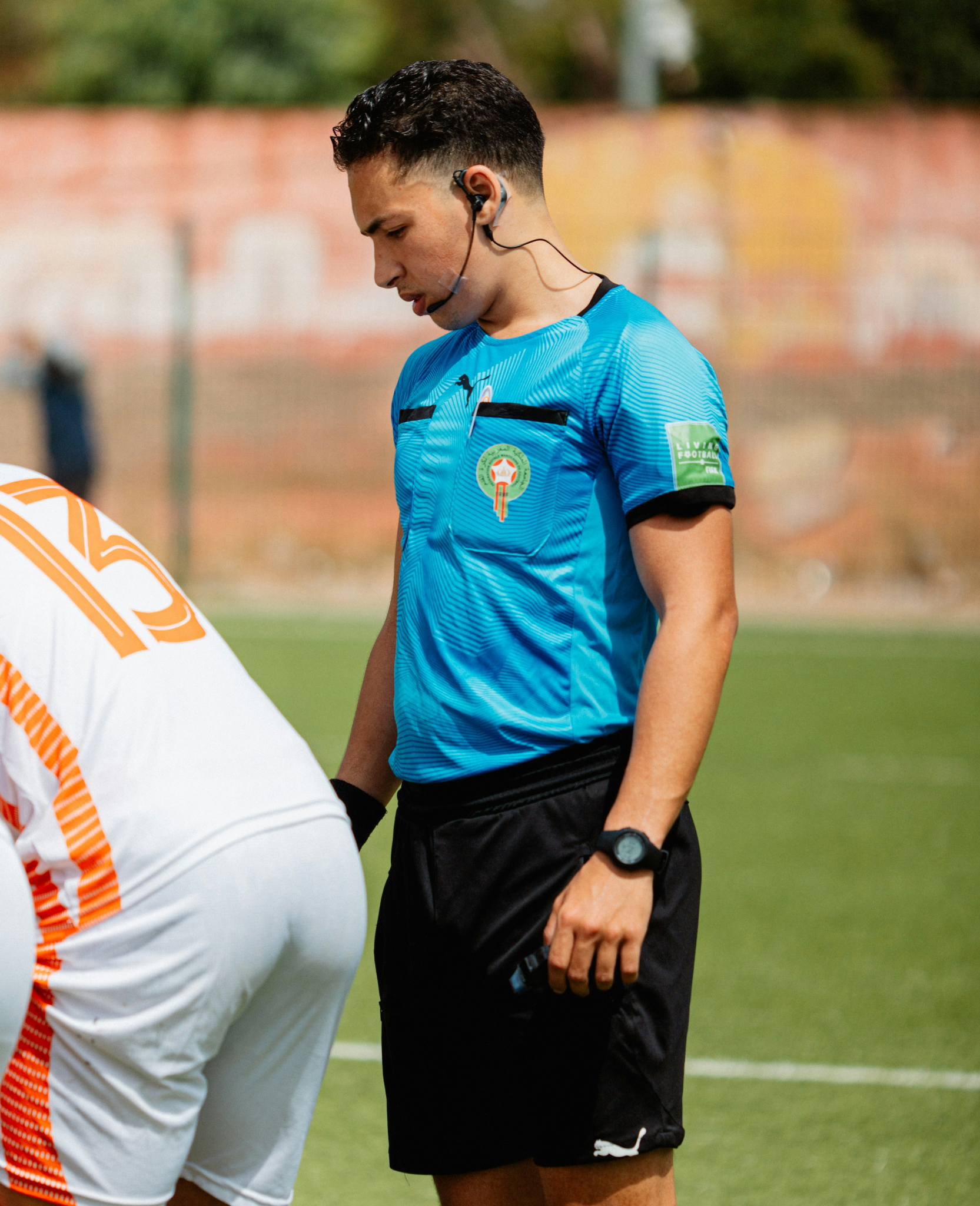
New Study Released: The Psychology of Sport Officiating by Hancock and Pizzera (2025).
In short: Psychological skills play a vital role in effective sport officiating. This review highlights how mental skills, motivation, communication, teamwork, and decision-making all contribute to referee performance, while identifying important areas where future research is needed.
More Detail: Sport officials are responsible for much more than simply enforcing the rules. They must make rapid decisions under pressure, communicate effectively with athletes and coaches, maintain fairness, manage conflict, and ensure athlete safety. While the physical and technical demands of officiating are well recognised, this review argues that psychological skills are equally important for high-quality performance.
Rather than presenting new experimental findings, this paper provides a comprehensive review of the existing research on the psychology of sport officiating. The authors examine five key areas that underpin successful officiating.
First, mental skills such as confidence, imagery, emotional regulation, self-talk, goal setting, concentration, and coping strategies have all been shown to enhance officiating performance. Although mental skills training has improved confidence, decision-making, and performance in elite officials, the review highlights that many referees develop these skills independently rather than through formal education. The authors suggest that governing bodies should integrate psychological skills training into referee development pathways from grassroots through to elite levels.
The review also explores why individuals choose to become, remain, or leave officiating. Drawing on Self-Determination Theory, the research demonstrates that officials are more likely to stay involved when they experience autonomy, competence, and a sense of belonging within their officiating community. Given the global shortage of qualified officials, creating supportive environments that foster these psychological needs may be essential for improving recruitment and retention.
Another important theme is the role of teamwork. Many officials work as part of officiating teams rather than individually, meaning communication, trust, shared understanding, and group cohesion directly influence performance. Research reviewed in the paper shows that officials who perceive stronger cohesion within their officiating teams also report higher performance and greater satisfaction.
Communication is identified as another essential psychological skill. Effective officials communicate calmly, confidently, respectfully, and consistently, adapting their style to the context of the match. Both verbal and non-verbal communication influence how athletes and coaches perceive an official's competence and fairness. Skilled officials also anticipate potential conflicts and proactively manage interactions rather than simply reacting to situations.
Finally, the review examines decision-making—the core responsibility of every sport official. Officials often make hundreds of decisions during a single competition, many within fractions of a second. These decisions can be influenced by numerous psychological factors, including cognitive shortcuts (heuristics), previous experiences, crowd pressure, team reputation, home advantage, and previous decisions made during the contest. Emerging technologies such as virtual reality and immersive video training are beginning to provide more realistic ways to train and evaluate officials' decision-making skills.
Despite significant progress, the authors conclude that important gaps remain in the literature. Most research has focused on male officials working in team sports, with relatively little attention given to officials in individual sports, women, underrepresented groups, grassroots officials, or intervention-based psychological training. The review calls for greater diversity in future research and the development of officiating-specific psychological theories to better explain and support officials' performance.
Overall, this review reinforces that psychological skills are not simply desirable for sport officials—they are fundamental to effective officiating and should be an integral part of referee education, development, and ongoing support.
Find it here:
Hancock, D. J., & Pizzera, A. (2025). The psychology of sport officiating. Psychology of Sport & Exercise, 80, 102899.
